Buy smart-innovation.eu ?
We are moving the project
smart-innovation.eu .
Are you interested in purchasing the domain
smart-innovation.eu ?
domain@kv-gmbh.de · 0541-91531010
Buy smart-innovation.eu ?
Is this a shell-dwelling cichlid?
Without a specific image or description of the fish in question, it is difficult to determine if it is a shell-dwelling cichlid. Shell-dwelling cichlids are a group of cichlids that are known for living in and around shells in their natural habitat. They are typically small in size and have a unique behavior of using shells for protection and breeding. If the fish in question exhibits these characteristics, it is likely a shell-dwelling cichlid. However, without more information, it is hard to make a definitive determination. **
What is a tree-dwelling tarantula?
A tree-dwelling tarantula is a type of tarantula that lives primarily in trees or other elevated areas, as opposed to ground-dwelling tarantulas that live on the forest floor. These tarantulas have adapted to life in the trees by developing strong, hook-like claws on their legs to help them grip onto branches and navigate their arboreal environment. They often build silk-lined burrows in tree hollows or create webbed retreats among the leaves. Tree-dwelling tarantulas are found in tropical and subtropical regions around the world and are known for their striking appearance and impressive size. **


Similar search terms for Dwelling
Top-Angebote
Products related to Dwelling:
-
Novadiet Prosnova Progress 60 CapsulesNutrition and Supplements Special supplements Novadiet Prosnova Progress 60 Capsules If you're a man over 40, you've likely begun to notice urinary problems. Benign prostatic hyperplasia (BPH) is the most common reason for male urological consultations. It begins to manifest itself after the age of 40, affecting 80% of men by age 70 and 90% of those over 85. It is a benign, age-related enlargement of the prostate, associated with low testosterone levels, a slow-growing condition that causes significant discomfort and significantly impacts quality of life. Prostate growth compresses the urethra as it passes through the gland, causing a series of secondary discomforts: difficulty starting to urinate; a thin, weak, and intermittent urine stream; a feeling of not having emptied the bladder after urinating; having to urinate multiple times during the day (pollakiuria) and at night (nocturia); urinary incontinence, abdominal pain, and discomfort when urinating may also occur. Take one capsule with breakfast and another with dinner, with water. Recommended daily dose: 2 capsules.15,92 £*Shipping: 3,99 £Secure redirect to the provider
-
Smart Shopping Spot Flexible Door Draft Stopper Soundproofing & Weatherproof Seal For Energy Efficiency brownTired of cold drafts, noisy rooms, and high energy bills The Premium Flexible Door Draft Stopper is designed to block wind, sound, and dust, creating a more peaceful, comfortable environment in your home. Made from highquality PVC, this door draft...34,97 $*Shipping: 0,00 $Secure redirect to the provider



-
What is the largest land-dwelling vertebrate?
The largest land-dwelling vertebrate is the African bush elephant (Loxodonta africana). These majestic creatures can weigh up to 12,000 pounds and stand over 13 feet tall at the shoulder. They are known for their large ears, long tusks, and trunk, which they use for various tasks such as communication, gathering food, and drinking water. African bush elephants are herbivores and can be found in various habitats across sub-Saharan Africa. **
-
What kind of soil-dwelling creature is this?
This is a picture of an earthworm, a common soil-dwelling creature. Earthworms are important for soil health as they help to aerate the soil, improve drainage, and break down organic matter. They are also a food source for many other animals and play a crucial role in nutrient cycling in ecosystems. **
-
How could land-dwelling mammals evolve into whales?
Land-dwelling mammals could have evolved into whales through a process called evolution by natural selection. This process involves gradual changes in the genetic makeup of a population over time, leading to the development of new traits and adaptations. In the case of whales, it is believed that their ancestors were land-dwelling mammals that gradually adapted to life in the water. Over millions of years, these mammals developed traits such as streamlined bodies, webbed feet, and a blowhole for breathing, allowing them to become fully aquatic and eventually evolve into the whales we know today. This process of evolution is driven by environmental pressures and the survival and reproduction of individuals with advantageous traits. **
-
What ideas are there for bottom-dwelling fish?
Bottom-dwelling fish, such as catfish and flounder, have specific needs and requirements for their environment. Some ideas for bottom-dwelling fish include providing them with a substrate that mimics their natural habitat, such as sand or gravel, to allow them to exhibit natural behaviors like burrowing or sifting through the substrate for food. Additionally, providing hiding spots and caves in the aquarium can help these fish feel secure and reduce stress. It's also important to ensure that the tank has good water flow and filtration to maintain a clean and oxygenated environment for bottom-dwelling fish. **

To which insect does this water-dwelling larva belong?
This water-dwelling larva belongs to the mosquito. Mosquito larvae are commonly found in standing water, where they feed on organic matter and microorganisms. They go through several stages of development before emerging as adult mosquitoes. Mosquito larvae play a crucial role in the ecosystem as a food source for other aquatic organisms. **
Which soil substrate is suitable for ground-dwelling tarantulas?
Ground-dwelling tarantulas thrive in a substrate that mimics their natural habitat, such as a mix of coconut fiber, peat moss, and vermiculite. This type of substrate provides good drainage, retains moisture, and allows for burrowing. It is important to avoid substrates that are too moist or prone to molding, as this can lead to health issues for the tarantula. Additionally, adding some leaf litter or sphagnum moss can help create a more natural environment for the tarantula. **
Top-Angebote
Products related to Dwelling:
-
Pan Make Brilliant Work: Lessons on Creativity, Innovation and Success by Rod Judkins - Paperback - Self-Help/Business Creativity Guide, Author ofMake Brilliant Work is an inspiring guide by Rod Judkins, drawing on the real-life stories of visionaries from Frida Kahlo to Steve Jobs. This paperback book reveals the methods and mindsets that turn ordinary effort into extraordinary results. Judkins proves that talent alone never guaranteed success — persistence, risk-taking and original thinking did. A motivating read for anyone wanting to unlock their creative potential at work or in life. The book profiles figures who failed at school, were told they lacked talent, or were fired more than once, yet went on to achieve great things. Written by Rod Judkins, published by Pan Macmillan, this book is a reassuring truth: you don't have to be naturally brilliant to produce brilliant work.2,99 £*Shipping: 2,99 £Secure redirect to the provider
-
Stanley Jr. Battery Operated Drill Toy Playset - Red Tool Box - 10 Piece Set - Encourages Creativity and Motor Skills DevelopmentIntroducing the Stanley Jr. Battery Operated Drill, a toy designed for kids to engage in imaginative play while developing their motor skills. This interactive drill is battery operated, eliminating the need for cords. Made with child-friendly materials, it ensures a safe playtime experience. Perfect for DIY projects, it encourages creativity and building confidence in young minds. Give your child the tools they need for imaginative play with the Stanley Jr. Battery Operated Drill.12,72 £*Shipping: 3,95 £Secure redirect to the provider
-
Novadiet Prosnova Progress 60 CapsulesNutrition and Supplements Special supplements Novadiet Prosnova Progress 60 Capsules If you're a man over 40, you've likely begun to notice urinary problems. Benign prostatic hyperplasia (BPH) is the most common reason for male urological consultations. It begins to manifest itself after the age of 40, affecting 80% of men by age 70 and 90% of those over 85. It is a benign, age-related enlargement of the prostate, associated with low testosterone levels, a slow-growing condition that causes significant discomfort and significantly impacts quality of life. Prostate growth compresses the urethra as it passes through the gland, causing a series of secondary discomforts: difficulty starting to urinate; a thin, weak, and intermittent urine stream; a feeling of not having emptied the bladder after urinating; having to urinate multiple times during the day (pollakiuria) and at night (nocturia); urinary incontinence, abdominal pain, and discomfort when urinating may also occur. Take one capsule with breakfast and another with dinner, with water. Recommended daily dose: 2 capsules.15,92 £*Shipping: 3,99 £Secure redirect to the provider
-
Is this a shell-dwelling cichlid?
Without a specific image or description of the fish in question, it is difficult to determine if it is a shell-dwelling cichlid. Shell-dwelling cichlids are a group of cichlids that are known for living in and around shells in their natural habitat. They are typically small in size and have a unique behavior of using shells for protection and breeding. If the fish in question exhibits these characteristics, it is likely a shell-dwelling cichlid. However, without more information, it is hard to make a definitive determination. **
-
What is a tree-dwelling tarantula?
A tree-dwelling tarantula is a type of tarantula that lives primarily in trees or other elevated areas, as opposed to ground-dwelling tarantulas that live on the forest floor. These tarantulas have adapted to life in the trees by developing strong, hook-like claws on their legs to help them grip onto branches and navigate their arboreal environment. They often build silk-lined burrows in tree hollows or create webbed retreats among the leaves. Tree-dwelling tarantulas are found in tropical and subtropical regions around the world and are known for their striking appearance and impressive size. **
-
What is the largest land-dwelling vertebrate?
The largest land-dwelling vertebrate is the African bush elephant (Loxodonta africana). These majestic creatures can weigh up to 12,000 pounds and stand over 13 feet tall at the shoulder. They are known for their large ears, long tusks, and trunk, which they use for various tasks such as communication, gathering food, and drinking water. African bush elephants are herbivores and can be found in various habitats across sub-Saharan Africa. **
-
What kind of soil-dwelling creature is this?
This is a picture of an earthworm, a common soil-dwelling creature. Earthworms are important for soil health as they help to aerate the soil, improve drainage, and break down organic matter. They are also a food source for many other animals and play a crucial role in nutrient cycling in ecosystems. **
Similar search terms for Dwelling
-
Smart Shopping Spot Flexible Door Draft Stopper Soundproofing & Weatherproof Seal For Energy Efficiency brownTired of cold drafts, noisy rooms, and high energy bills The Premium Flexible Door Draft Stopper is designed to block wind, sound, and dust, creating a more peaceful, comfortable environment in your home. Made from highquality PVC, this door draft...34,97 $*Shipping: 0,00 $Secure redirect to the provider
-
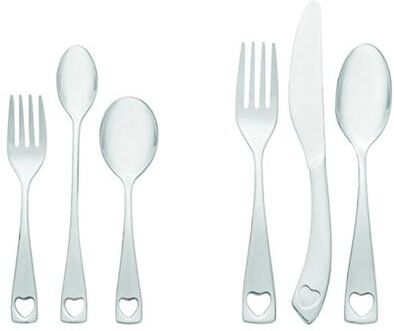
Oneida Little Love 6 Piece Fine Flatware Progress SetNew or experienced, moms need some help. Gift them easier table training with a Little Love for their little ones. Punched heart shapes entertain while including kids with age-appropriate sizes, durable stainless steel, and easy-to-maneuver designs.37,99 $*Shipping: 0,00 $Secure redirect to the provider
-
Smart Shopping Spot Flexible Door Draft Stopper Soundproofing & Weatherproof Seal For Energy Efficiency whiteTired of cold drafts, noisy rooms, and high energy bills The Premium Flexible Door Draft Stopper is designed to block wind, sound, and dust, creating a more peaceful, comfortable environment in your home. Made from highquality PVC, this door draft...34,97 $*Shipping: 0,00 $Secure redirect to the provider
-
How could land-dwelling mammals evolve into whales?
Land-dwelling mammals could have evolved into whales through a process called evolution by natural selection. This process involves gradual changes in the genetic makeup of a population over time, leading to the development of new traits and adaptations. In the case of whales, it is believed that their ancestors were land-dwelling mammals that gradually adapted to life in the water. Over millions of years, these mammals developed traits such as streamlined bodies, webbed feet, and a blowhole for breathing, allowing them to become fully aquatic and eventually evolve into the whales we know today. This process of evolution is driven by environmental pressures and the survival and reproduction of individuals with advantageous traits. **
-
What ideas are there for bottom-dwelling fish?
Bottom-dwelling fish, such as catfish and flounder, have specific needs and requirements for their environment. Some ideas for bottom-dwelling fish include providing them with a substrate that mimics their natural habitat, such as sand or gravel, to allow them to exhibit natural behaviors like burrowing or sifting through the substrate for food. Additionally, providing hiding spots and caves in the aquarium can help these fish feel secure and reduce stress. It's also important to ensure that the tank has good water flow and filtration to maintain a clean and oxygenated environment for bottom-dwelling fish. **
-
To which insect does this water-dwelling larva belong?
This water-dwelling larva belongs to the mosquito. Mosquito larvae are commonly found in standing water, where they feed on organic matter and microorganisms. They go through several stages of development before emerging as adult mosquitoes. Mosquito larvae play a crucial role in the ecosystem as a food source for other aquatic organisms. **
-
Which soil substrate is suitable for ground-dwelling tarantulas?
Ground-dwelling tarantulas thrive in a substrate that mimics their natural habitat, such as a mix of coconut fiber, peat moss, and vermiculite. This type of substrate provides good drainage, retains moisture, and allows for burrowing. It is important to avoid substrates that are too moist or prone to molding, as this can lead to health issues for the tarantula. Additionally, adding some leaf litter or sphagnum moss can help create a more natural environment for the tarantula. **
* All prices are inclusive of VAT and, if applicable, plus shipping costs. The offer information is based on the details provided by the respective shop and is updated through automated processes. Real-time updates do not occur, so deviations can occur in individual cases. ** Note: Parts of this content were created by AI.