Buy smart-innovation.eu ?
We are moving the project
smart-innovation.eu .
Are you interested in purchasing the domain
smart-innovation.eu ?
domain@kv-gmbh.de · 0541-91531010
Buy smart-innovation.eu ?
What is evidence for evolution?
Evidence for evolution comes from a variety of sources, including the fossil record, comparative anatomy, embryology, molecular biology, and biogeography. Fossil evidence shows a progression of life forms over time, with more primitive organisms found in lower rock layers and more advanced organisms found in higher layers. Comparative anatomy and embryology reveal similarities in the structures and development of different species, suggesting a common ancestry. Molecular biology provides evidence of shared genetic sequences and biochemical pathways among different species. Biogeography shows patterns of species distribution that are best explained by evolution and continental drift. Together, these lines of evidence provide strong support for the theory of evolution. **
Are there any evidence for evolution?
Yes, there is a vast amount of evidence supporting the theory of evolution. Fossil records show a progression of life forms over time, with simpler organisms appearing in older rock layers and more complex organisms in more recent layers. Comparative anatomy and embryology also provide evidence of common ancestry among different species. Additionally, molecular biology has revealed similarities in DNA sequences among different species, further supporting the idea of evolution. **


Similar search terms for Evidence
Top-Angebote
Products related to Evidence:
-
Green Tree Perimenopause Power by Maisie Hill - Non Fiction Paperback - Evidence-Based Guide to Perimenopause & Menopause Hormones - Bestselling AuthorPerimenopause Power by Maisie Hill is a definitive handbook for women navigating the hormonal changes of perimenopause and menopause. Written by the UK's leading hormonal health expert, this guide explains the physiological changes happening inside the body as oestrogen and progesterone shift. Combining rigorous science with warmth and real-world strategies, it helps readers manage symptoms such as mood swings, insomnia, hot flushes, and night sweats. The book reframes this life stage as an opportunity for renewed strength, self-knowledge, and positive change. With 336 pages, Perimenopause Power guides readers through the transition, providing a clear understanding of what to expect and how to manage the process.9,49 £*Shipping: 2,99 £Secure redirect to the provider
-
Anima The Wellness Rebel by Plantbased Pixie - Hardback Nutrition & Wellness Book - Evidence-Based Myth-Busting Guide to Healthy EatingThe Wellness Rebel by Plantbased Pixie is a non-fiction hardback book that offers an evidence-based approach to the wellness industry. Written by a food blogger and qualified nutritionist, it cuts through myths and misconceptions with science, wit, and warmth. The book champions balance and debunks fads like alkaline diets, raw food dogma, and superfood hype, while providing practical and sustainable ways to enjoy food without guilt, fear, or misinformation. Published by Anima (Head of Zeus), this book is suitable for adults and provides a much-needed perspective on what 'healthy' eating really means.9,49 £*Shipping: 2,99 £Secure redirect to the provider
-
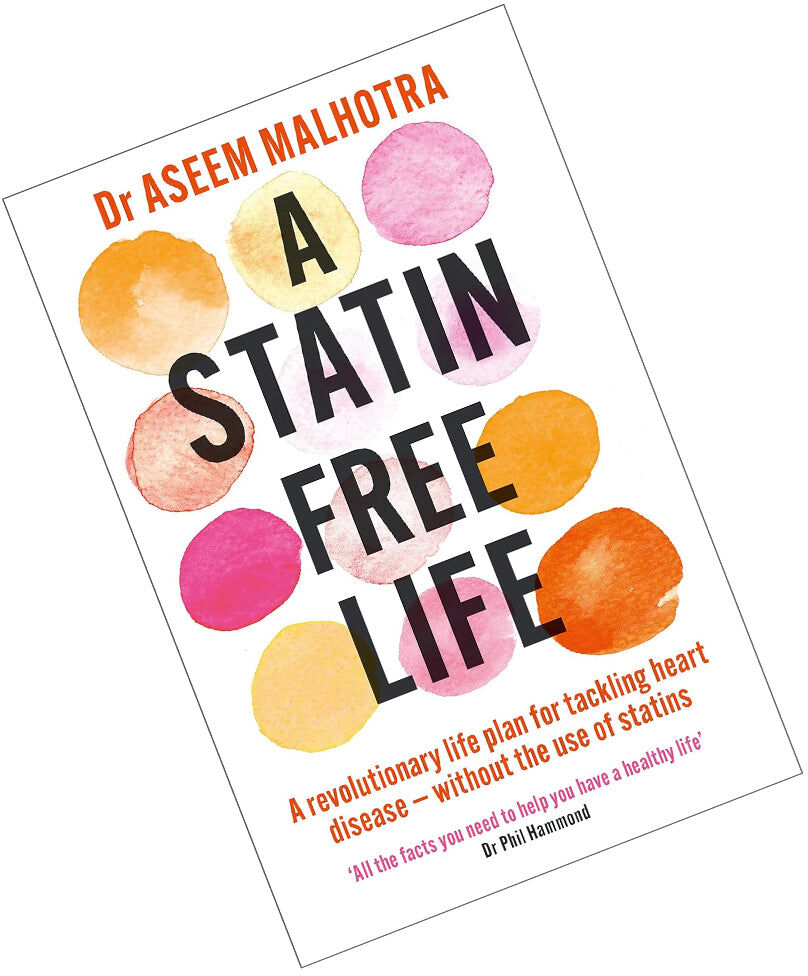
Yellow Kite A Statin-Free Life by Dr Aseem Malhotra - Paperback - Evidence-Based Heart Disease & Cholesterol Health Plan Without StatinsA practical, evidence-led guide to heart health from Dr Aseem Malhotra, examining the case for and against statins and offering a lifestyle-first approach. This book blends nutrition science, movement, and stress-reduction strategies to equip readers with clear information for better-informed conversations with their doctor about risk and treatment options. Written for concerned patients, carers, and anyone reassessing their cardiovascular medication, it provides a closely argued guide to an alternative approach built around a lower-carbohydrate, high-fat diet.2,99 £*Shipping: 2,99 £Secure redirect to the provider
-
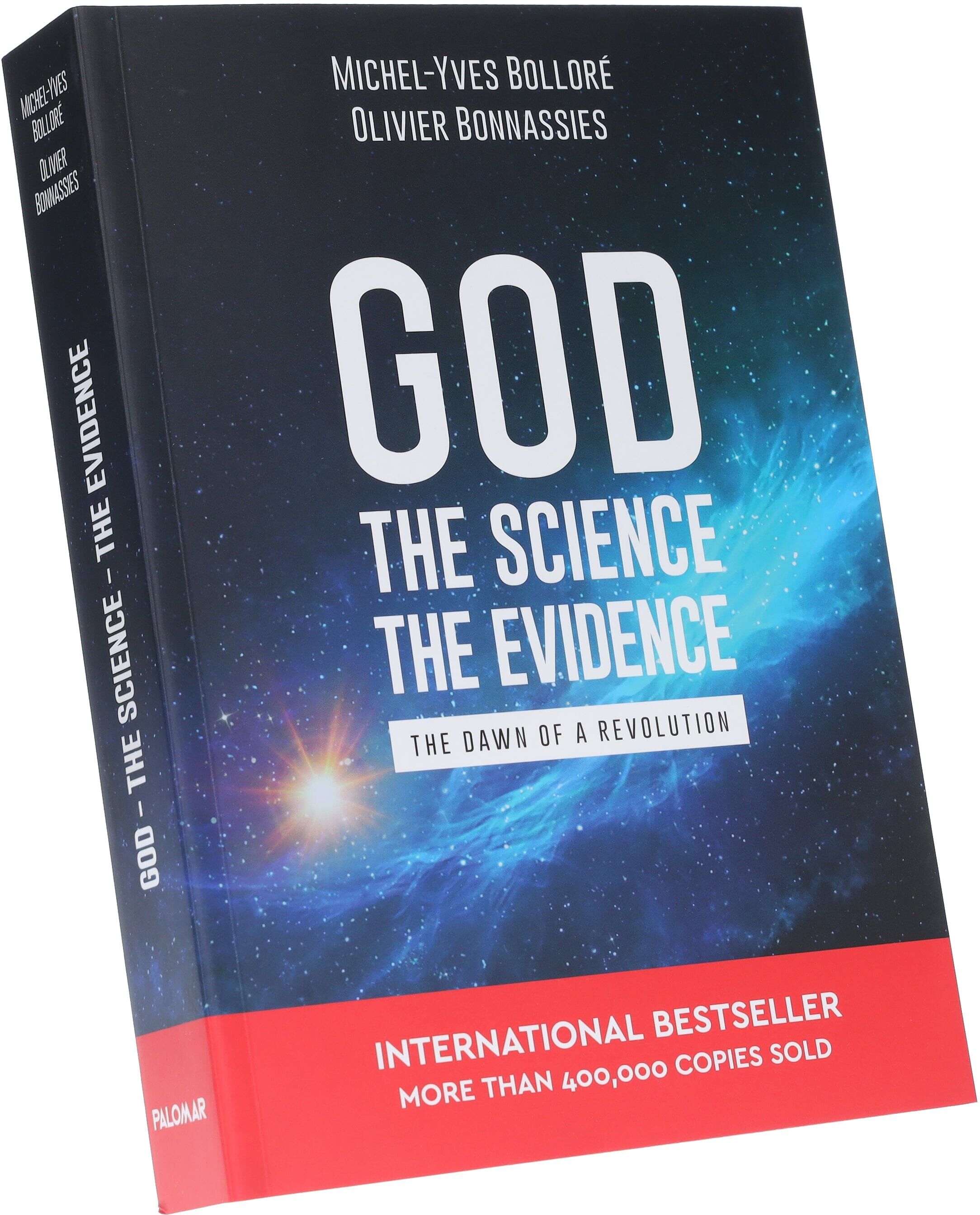
God, The Science, The Evidence: The Dawn Of A Revolution by Michel-Yves Bollore & Olivier Bonnassies - Non Fiction - Paperback AbramsAfter four years of research in partnership with over twenty scientists and esteemed experts, this book explores one of the most significant questions we face: the existence or non-existence of a creator God. For more than four centuries, the scientific discoveries of Copernicus, Galileo, Darwin, and Freud created the impression that we could explain the workings of the Universe without the idea of a creator--God. By the beginning of the twentieth century, materialism had become the dominant theory of the time. And yet, with unexpected and astonishing force, the pendulum of science has swung back in the other direction, owing to a rapid succession of discoveries: the theory of relativity; quantum mechanics; the Big Bang; the theories of expansion, heat death, and fine-tuning of the universe. This newly acquired knowledge has upended the certainties of the twentieth century collective consciousness. Once the only acceptable theory, materialism is increasingly considered an irrational belief. The authors of this highly readable book retrace the fascinating history of these scientific breakthroughs and offer a rigorous overview of the new proof of the existence of God. God: the Science and the Evidence is an invitation to reflect and debate the place of God in science.14,99 £*Shipping: 2,99 £Secure redirect to the provider


-
Why are fossils evidence for evolution?
Fossils are evidence for evolution because they provide a record of past life forms and how they have changed over time. By studying fossils, scientists can trace the development of different species and see how they are related to each other. Fossils also show the progression of life on Earth, from simple organisms to more complex ones, supporting the idea of common ancestry and gradual change over millions of years. Overall, fossils provide tangible evidence of the evolutionary processes that have shaped the diversity of life on our planet. **
-
What exact evidence is there for evolution?
The evidence for evolution comes from various sources, including the fossil record, comparative anatomy, embryology, molecular biology, and biogeography. Fossil records show a progression of life forms over time, with transitional fossils providing evidence of species evolving from common ancestors. Comparative anatomy reveals similarities in bone structure and organ systems among different species, indicating a shared evolutionary history. Embryology demonstrates similarities in early developmental stages of different organisms. Molecular biology shows genetic similarities between species, supporting the idea of a common ancestry. Biogeography studies the distribution of species around the world, providing evidence for evolution through patterns of migration and adaptation. **
-
What specific evidence is there for evolution?
There is a wealth of evidence supporting the theory of evolution, including the fossil record which shows a progression of life forms over time, comparative anatomy which reveals similarities in structures among different species, molecular biology which demonstrates shared genetic material between organisms, and the observation of natural selection in action through studies of adaptation and speciation in various populations. Additionally, the presence of vestigial structures in organisms, such as the human appendix or whale pelvis, further supports the idea of common ancestry and evolutionary change over time. **
-
Is analogy in biology evidence for evolution?
Yes, analogy in biology can be considered evidence for evolution. Analogous structures in different species, such as the wings of birds and bats, or the fins of dolphins and fish, are similar in function but have different underlying structures. This suggests that these structures have evolved independently in different lineages to serve similar purposes, supporting the idea of convergent evolution. Additionally, the presence of vestigial structures, such as the remnants of pelvic bones in whales, provides further evidence for evolution by showing that organisms have inherited structures from their ancestors that are no longer functional in their current form. **

Why are homology and analogy evidence for evolution?
Homology and analogy are evidence for evolution because they both suggest common ancestry among organisms. Homology refers to similarities in structures or genetic sequences that are inherited from a common ancestor, indicating evolutionary relationships. Analogy, on the other hand, refers to similarities in structures or functions that are not inherited from a common ancestor but have evolved independently in different lineages due to similar environmental pressures. Both homology and analogy provide insights into the evolutionary processes that have shaped the diversity of life on Earth. **
What evidence is there in biology for evolution?
There is abundant evidence in biology for evolution, including the fossil record, comparative anatomy, molecular biology, and biogeography. The fossil record shows a progression of life forms over time, with more primitive organisms found in older rock layers and more complex organisms found in younger layers. Comparative anatomy reveals similarities in the structures of different species, indicating a common ancestry. Molecular biology, such as DNA sequencing, shows genetic similarities between different species, further supporting the idea of common descent. Biogeography, the study of the distribution of species, also provides evidence for evolution, as it shows patterns of species distribution that are best explained by evolution and common ancestry. **
Top-Angebote
Products related to Evidence:
-
Cambridge University Press Personality Disorder: From Evidence to UnderstandingPersonality disorder affects more than 10% of the population but is widely ignored by health professionals as it is viewed as a term of stigma. The new classification of personality disorder in the ICD-11 shows that we are all on a spectrum of personality disturbance and that this can change over time. This important new book explains why all health professionals need to be aware of personality disorders in their clinical practice. Abnormal personality, at all levels of severity, should be taken into account when choosing treatment, when predicting outcomes, when anticipating relapse, and when explaining diagnosis. Authored by leading experts in this field, this book explains how the new classification of personality disorders in the ICD-11 helps to select treatment programmes, plan long-term management and avoid adverse consequences in the treatment of this patient group29,99 £*Shipping: 2,99 £Secure redirect to the provider
-
Pan Make Brilliant Work: Lessons on Creativity, Innovation and Success by Rod Judkins - Paperback - Self-Help/Business Creativity Guide, Author ofMake Brilliant Work is an inspiring guide by Rod Judkins, drawing on the real-life stories of visionaries from Frida Kahlo to Steve Jobs. This paperback book reveals the methods and mindsets that turn ordinary effort into extraordinary results. Judkins proves that talent alone never guaranteed success — persistence, risk-taking and original thinking did. A motivating read for anyone wanting to unlock their creative potential at work or in life. The book profiles figures who failed at school, were told they lacked talent, or were fired more than once, yet went on to achieve great things. Written by Rod Judkins, published by Pan Macmillan, this book is a reassuring truth: you don't have to be naturally brilliant to produce brilliant work.2,99 £*Shipping: 2,99 £Secure redirect to the provider
-
Green Tree Perimenopause Power by Maisie Hill - Non Fiction Paperback - Evidence-Based Guide to Perimenopause & Menopause Hormones - Bestselling AuthorPerimenopause Power by Maisie Hill is a definitive handbook for women navigating the hormonal changes of perimenopause and menopause. Written by the UK's leading hormonal health expert, this guide explains the physiological changes happening inside the body as oestrogen and progesterone shift. Combining rigorous science with warmth and real-world strategies, it helps readers manage symptoms such as mood swings, insomnia, hot flushes, and night sweats. The book reframes this life stage as an opportunity for renewed strength, self-knowledge, and positive change. With 336 pages, Perimenopause Power guides readers through the transition, providing a clear understanding of what to expect and how to manage the process.9,49 £*Shipping: 2,99 £Secure redirect to the provider
-
Anima The Wellness Rebel by Plantbased Pixie - Hardback Nutrition & Wellness Book - Evidence-Based Myth-Busting Guide to Healthy EatingThe Wellness Rebel by Plantbased Pixie is a non-fiction hardback book that offers an evidence-based approach to the wellness industry. Written by a food blogger and qualified nutritionist, it cuts through myths and misconceptions with science, wit, and warmth. The book champions balance and debunks fads like alkaline diets, raw food dogma, and superfood hype, while providing practical and sustainable ways to enjoy food without guilt, fear, or misinformation. Published by Anima (Head of Zeus), this book is suitable for adults and provides a much-needed perspective on what 'healthy' eating really means.9,49 £*Shipping: 2,99 £Secure redirect to the provider
-
What is evidence for evolution?
Evidence for evolution comes from a variety of sources, including the fossil record, comparative anatomy, embryology, molecular biology, and biogeography. Fossil evidence shows a progression of life forms over time, with more primitive organisms found in lower rock layers and more advanced organisms found in higher layers. Comparative anatomy and embryology reveal similarities in the structures and development of different species, suggesting a common ancestry. Molecular biology provides evidence of shared genetic sequences and biochemical pathways among different species. Biogeography shows patterns of species distribution that are best explained by evolution and continental drift. Together, these lines of evidence provide strong support for the theory of evolution. **
-
Are there any evidence for evolution?
Yes, there is a vast amount of evidence supporting the theory of evolution. Fossil records show a progression of life forms over time, with simpler organisms appearing in older rock layers and more complex organisms in more recent layers. Comparative anatomy and embryology also provide evidence of common ancestry among different species. Additionally, molecular biology has revealed similarities in DNA sequences among different species, further supporting the idea of evolution. **
-
Why are fossils evidence for evolution?
Fossils are evidence for evolution because they provide a record of past life forms and how they have changed over time. By studying fossils, scientists can trace the development of different species and see how they are related to each other. Fossils also show the progression of life on Earth, from simple organisms to more complex ones, supporting the idea of common ancestry and gradual change over millions of years. Overall, fossils provide tangible evidence of the evolutionary processes that have shaped the diversity of life on our planet. **
-
What exact evidence is there for evolution?
The evidence for evolution comes from various sources, including the fossil record, comparative anatomy, embryology, molecular biology, and biogeography. Fossil records show a progression of life forms over time, with transitional fossils providing evidence of species evolving from common ancestors. Comparative anatomy reveals similarities in bone structure and organ systems among different species, indicating a shared evolutionary history. Embryology demonstrates similarities in early developmental stages of different organisms. Molecular biology shows genetic similarities between species, supporting the idea of a common ancestry. Biogeography studies the distribution of species around the world, providing evidence for evolution through patterns of migration and adaptation. **
Similar search terms for Evidence
-
Yellow Kite A Statin-Free Life by Dr Aseem Malhotra - Paperback - Evidence-Based Heart Disease & Cholesterol Health Plan Without StatinsA practical, evidence-led guide to heart health from Dr Aseem Malhotra, examining the case for and against statins and offering a lifestyle-first approach. This book blends nutrition science, movement, and stress-reduction strategies to equip readers with clear information for better-informed conversations with their doctor about risk and treatment options. Written for concerned patients, carers, and anyone reassessing their cardiovascular medication, it provides a closely argued guide to an alternative approach built around a lower-carbohydrate, high-fat diet.2,99 £*Shipping: 2,99 £Secure redirect to the provider
-
God, The Science, The Evidence: The Dawn Of A Revolution by Michel-Yves Bollore & Olivier Bonnassies - Non Fiction - Paperback AbramsAfter four years of research in partnership with over twenty scientists and esteemed experts, this book explores one of the most significant questions we face: the existence or non-existence of a creator God. For more than four centuries, the scientific discoveries of Copernicus, Galileo, Darwin, and Freud created the impression that we could explain the workings of the Universe without the idea of a creator--God. By the beginning of the twentieth century, materialism had become the dominant theory of the time. And yet, with unexpected and astonishing force, the pendulum of science has swung back in the other direction, owing to a rapid succession of discoveries: the theory of relativity; quantum mechanics; the Big Bang; the theories of expansion, heat death, and fine-tuning of the universe. This newly acquired knowledge has upended the certainties of the twentieth century collective consciousness. Once the only acceptable theory, materialism is increasingly considered an irrational belief. The authors of this highly readable book retrace the fascinating history of these scientific breakthroughs and offer a rigorous overview of the new proof of the existence of God. God: the Science and the Evidence is an invitation to reflect and debate the place of God in science.14,99 £*Shipping: 2,99 £Secure redirect to the provider
-
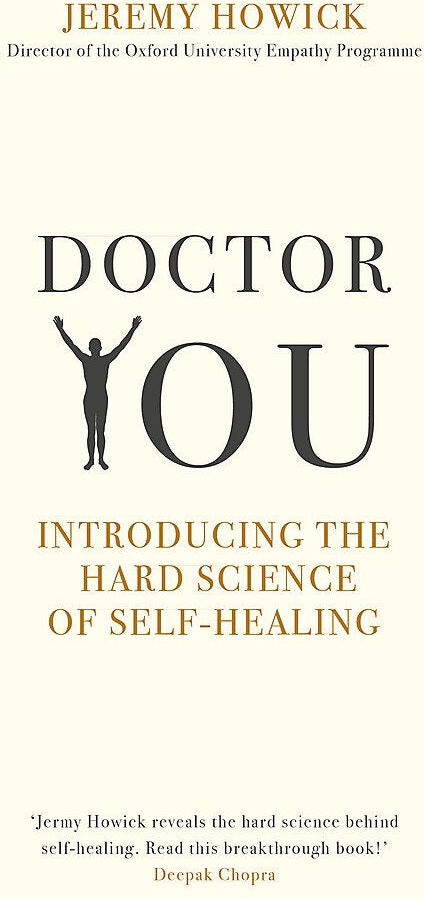
Coronet Doctor You: Revealing the Science of Self-Healing by Jeremy Howick - Paperback - Evidence-Based Health Book, Amazon #1 BestsellerDiscover the science behind self-healing with Doctor You, a groundbreaking exploration by Jeremy Howick. This paperback book challenges readers to rethink their reliance on pharmaceuticals, offering a science-backed alternative to conventional treatments. Drawing on rigorous, peer-reviewed evidence, Professor Howick presents a must-read for anyone wanting to understand the real evidence behind natural and conventional treatments alike, empowering better health decisions for themselves and their families. In Doctor You, Professor Jeremy Howick presents the first hard scientific evidence demonstrating that some so-called alternative or natural treatments can be effective in harnessing the body's natural powers to heal itself. This book is a valuable resource for anyone looking to make informed decisions about their health.2,99 £*Shipping: 2,99 £Secure redirect to the provider
-
Allen & Unwin How To Reverse Type 2 Diabetes and Prediabetes by Dr David Cavan - Paperback - Evidence-Based Guide to Reversing DiabetesHow to Reverse Type 2 Diabetes and Prediabetes is a clear, evidence-based guide for anyone wanting to take control of their metabolic health. Written by consultant endocrinologist Dr David Cavan, it explains why modern lifestyles are driving so many people towards prediabetes and type 2 diabetes, and sets out practical, sustainable changes that can genuinely reverse the disease process. This paperback distils decades of clinical experience into a single, easy-to-follow guide. Dr Cavan explains in plain language how insulin resistance develops, why standard advice often falls short, and what actually works when it comes to reversing prediabetes and type 2 diabetes. The book advocates a diet built around fresh, whole food and offers a trustworthy roadmap back to better health for patients, families, and anyone recently diagnosed.2,99 £*Shipping: 2,99 £Secure redirect to the provider
-
What specific evidence is there for evolution?
There is a wealth of evidence supporting the theory of evolution, including the fossil record which shows a progression of life forms over time, comparative anatomy which reveals similarities in structures among different species, molecular biology which demonstrates shared genetic material between organisms, and the observation of natural selection in action through studies of adaptation and speciation in various populations. Additionally, the presence of vestigial structures in organisms, such as the human appendix or whale pelvis, further supports the idea of common ancestry and evolutionary change over time. **
-
Is analogy in biology evidence for evolution?
Yes, analogy in biology can be considered evidence for evolution. Analogous structures in different species, such as the wings of birds and bats, or the fins of dolphins and fish, are similar in function but have different underlying structures. This suggests that these structures have evolved independently in different lineages to serve similar purposes, supporting the idea of convergent evolution. Additionally, the presence of vestigial structures, such as the remnants of pelvic bones in whales, provides further evidence for evolution by showing that organisms have inherited structures from their ancestors that are no longer functional in their current form. **
-
Why are homology and analogy evidence for evolution?
Homology and analogy are evidence for evolution because they both suggest common ancestry among organisms. Homology refers to similarities in structures or genetic sequences that are inherited from a common ancestor, indicating evolutionary relationships. Analogy, on the other hand, refers to similarities in structures or functions that are not inherited from a common ancestor but have evolved independently in different lineages due to similar environmental pressures. Both homology and analogy provide insights into the evolutionary processes that have shaped the diversity of life on Earth. **
-
What evidence is there in biology for evolution?
There is abundant evidence in biology for evolution, including the fossil record, comparative anatomy, molecular biology, and biogeography. The fossil record shows a progression of life forms over time, with more primitive organisms found in older rock layers and more complex organisms found in younger layers. Comparative anatomy reveals similarities in the structures of different species, indicating a common ancestry. Molecular biology, such as DNA sequencing, shows genetic similarities between different species, further supporting the idea of common descent. Biogeography, the study of the distribution of species, also provides evidence for evolution, as it shows patterns of species distribution that are best explained by evolution and common ancestry. **
* All prices are inclusive of VAT and, if applicable, plus shipping costs. The offer information is based on the details provided by the respective shop and is updated through automated processes. Real-time updates do not occur, so deviations can occur in individual cases. ** Note: Parts of this content were created by AI.