Buy smart-innovation.eu ?
We are moving the project
smart-innovation.eu .
Are you interested in purchasing the domain
smart-innovation.eu ?
domain@kv-gmbh.de · 0541-91531010
Buy smart-innovation.eu ?
How does wound healing progress after a tooth extraction?
After a tooth extraction, the initial phase of wound healing involves the formation of a blood clot to stop bleeding and protect the extraction site. Over the next few days, the clot is gradually replaced by granulation tissue, which helps in the formation of new blood vessels and the growth of new tissue. As the healing progresses, the extraction site will start to fill in with soft tissue and eventually form a new layer of epithelial cells to cover the wound. The final stage involves the remodeling of the tissue to strengthen and mature the healing site. **
What is extraction?
Extraction is the process of removing a substance from a mixture using a solvent. This technique is commonly used in chemistry and biology to isolate and purify specific compounds from a complex mixture. **


Similar search terms for Extraction
Top-Angebote
Products related to Extraction:
-
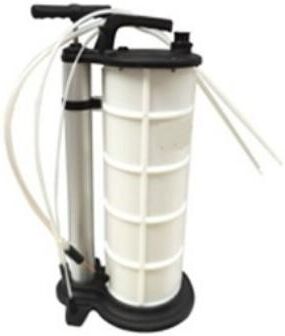
SEALEY TP204 Oil Extraction UnitHose Length [mm]: Ø6.7 x 700, Ø7 x 400; Capacity [litre]: 8; Capillary Tube Length [mm]: 240; Colour: white; Hose Length [m]: 1.5; article number of recommended accessories: VS552, VS555; Suitable For (substance/mix/gas/chemicals): Oil, Petrol, Diesel, Water, hydraulic fluid; Adapter enclosed: 240mm FSA146,99 £*Shipping: 1,99 £Secure redirect to the provider


-
Is partial root extraction faster?
Yes, partial root extraction is generally faster than full root extraction. This is because only a portion of the root needs to be removed, which requires less time and effort compared to extracting the entire root. Additionally, partial root extraction may result in less trauma to the surrounding tissues, leading to a quicker recovery time for the patient. However, the exact speed of the procedure can vary depending on the complexity of the case and the skill of the dentist performing the extraction. **
-
What is a tooth extraction?
A tooth extraction is a dental procedure in which a tooth is removed from its socket in the bone. This may be necessary if a tooth is severely damaged, decayed, infected, or causing crowding in the mouth. The procedure is typically performed by a dentist or oral surgeon using local anesthesia to numb the area and minimize discomfort. After the extraction, the patient may experience some pain and swelling, but these symptoms can usually be managed with over-the-counter pain medication and proper care. **
-
Can bioethanol be used for extraction?
Yes, bioethanol can be used for extraction purposes. It is commonly used as a solvent in the extraction of various compounds from plant materials, such as essential oils, flavors, and fragrances. Bioethanol is a renewable and environmentally friendly solvent, making it a popular choice for extraction processes in industries such as food, pharmaceuticals, and cosmetics. Its ability to dissolve a wide range of compounds makes it a versatile option for extraction purposes. **
-
How does partial root extraction work?
Partial root extraction is a dental procedure where only a portion of a tooth's root is removed, typically to address a specific issue such as infection or damage. This technique allows the dentist to preserve as much of the natural tooth structure as possible while still addressing the problem at hand. After the partial root extraction, the remaining portion of the tooth's root is typically sealed to prevent further issues and the tooth may be restored with a crown or filling. This approach can help maintain the stability and function of the tooth while addressing the underlying issue. **


How can I define fruit extraction?
Fruit extraction is the process of obtaining the juice or essence from fruits by pressing, crushing, or squeezing them. This method allows for the separation of the liquid content from the solid parts of the fruit, resulting in a concentrated form of the fruit's flavor and nutrients. Fruit extraction is commonly used in the production of juices, jams, and other food products to capture the natural essence and nutritional benefits of the fruit. **
What is a wisdom tooth extraction?
A wisdom tooth extraction is a surgical procedure to remove one or more of the third molars, commonly known as wisdom teeth. These teeth are located at the back of the mouth and often do not have enough space to fully emerge, leading to potential problems such as impaction, crowding, or infection. The extraction is typically performed by an oral surgeon or dentist under local or general anesthesia, and the recovery process may involve some discomfort and swelling. This procedure is often recommended to prevent future dental issues and maintain overall oral health. **
Top-Angebote
Products related to Extraction:
-
SEALEY TP204 Oil Extraction UnitHose Length [mm]: Ø6.7 x 700, Ø7 x 400; Capacity [litre]: 8; Capillary Tube Length [mm]: 240; Colour: white; Hose Length [m]: 1.5; article number of recommended accessories: VS552, VS555; Suitable For (substance/mix/gas/chemicals): Oil, Petrol, Diesel, Water, hydraulic fluid; Adapter enclosed: 240mm FSA146,99 £*Shipping: 1,99 £Secure redirect to the provider
-
How does wound healing progress after a tooth extraction?
After a tooth extraction, the initial phase of wound healing involves the formation of a blood clot to stop bleeding and protect the extraction site. Over the next few days, the clot is gradually replaced by granulation tissue, which helps in the formation of new blood vessels and the growth of new tissue. As the healing progresses, the extraction site will start to fill in with soft tissue and eventually form a new layer of epithelial cells to cover the wound. The final stage involves the remodeling of the tissue to strengthen and mature the healing site. **
-
What is extraction?
Extraction is the process of removing a substance from a mixture using a solvent. This technique is commonly used in chemistry and biology to isolate and purify specific compounds from a complex mixture. **
-
Is partial root extraction faster?
Yes, partial root extraction is generally faster than full root extraction. This is because only a portion of the root needs to be removed, which requires less time and effort compared to extracting the entire root. Additionally, partial root extraction may result in less trauma to the surrounding tissues, leading to a quicker recovery time for the patient. However, the exact speed of the procedure can vary depending on the complexity of the case and the skill of the dentist performing the extraction. **
-
What is a tooth extraction?
A tooth extraction is a dental procedure in which a tooth is removed from its socket in the bone. This may be necessary if a tooth is severely damaged, decayed, infected, or causing crowding in the mouth. The procedure is typically performed by a dentist or oral surgeon using local anesthesia to numb the area and minimize discomfort. After the extraction, the patient may experience some pain and swelling, but these symptoms can usually be managed with over-the-counter pain medication and proper care. **
Similar search terms for Extraction
-
Inspired Finds Anti Static IC Chip Puller DIP ROM Extraction Tool Anti Static IC Chip Puller DIP ROM Extraction ToolMake delicate chip removal safer and more precise with this IC Chip Puller, designed for electronics repair, PCB maintenance, and DIY circuit projects. Its Ushaped design grips DIP and ROM chips securely, helping reduce the risk of bent pins or...34,99 $*Shipping: 0,00 $Secure redirect to the provider
-
Uplifted Finds Precision Guard Mat Extraction Module greenOptimize your pets dermatological health with the PrecisionGuard Mat Extractor, a professionalgrade maintenance tool engineered with recessedblade safety logic. This highutility module features a specialized stainless steel surgicalgrade edge housed...30,97 $*Shipping: 0,00 $Secure redirect to the provider
-
Can bioethanol be used for extraction?
Yes, bioethanol can be used for extraction purposes. It is commonly used as a solvent in the extraction of various compounds from plant materials, such as essential oils, flavors, and fragrances. Bioethanol is a renewable and environmentally friendly solvent, making it a popular choice for extraction processes in industries such as food, pharmaceuticals, and cosmetics. Its ability to dissolve a wide range of compounds makes it a versatile option for extraction purposes. **
-
How does partial root extraction work?
Partial root extraction is a dental procedure where only a portion of a tooth's root is removed, typically to address a specific issue such as infection or damage. This technique allows the dentist to preserve as much of the natural tooth structure as possible while still addressing the problem at hand. After the partial root extraction, the remaining portion of the tooth's root is typically sealed to prevent further issues and the tooth may be restored with a crown or filling. This approach can help maintain the stability and function of the tooth while addressing the underlying issue. **
-
How can I define fruit extraction?
Fruit extraction is the process of obtaining the juice or essence from fruits by pressing, crushing, or squeezing them. This method allows for the separation of the liquid content from the solid parts of the fruit, resulting in a concentrated form of the fruit's flavor and nutrients. Fruit extraction is commonly used in the production of juices, jams, and other food products to capture the natural essence and nutritional benefits of the fruit. **
-
What is a wisdom tooth extraction?
A wisdom tooth extraction is a surgical procedure to remove one or more of the third molars, commonly known as wisdom teeth. These teeth are located at the back of the mouth and often do not have enough space to fully emerge, leading to potential problems such as impaction, crowding, or infection. The extraction is typically performed by an oral surgeon or dentist under local or general anesthesia, and the recovery process may involve some discomfort and swelling. This procedure is often recommended to prevent future dental issues and maintain overall oral health. **
* All prices are inclusive of VAT and, if applicable, plus shipping costs. The offer information is based on the details provided by the respective shop and is updated through automated processes. Real-time updates do not occur, so deviations can occur in individual cases. ** Note: Parts of this content were created by AI.